
With Q1 of 2026 now in full swing, UK manufacturers are gearing up for another year defined by opportunities.
While global instability and economic pressures remain part of the landscape, manufacturers are also building resilience and embracing smarter ways of working to stay competitive.
As a thermoforming and plastic product manufacturer with over eight decades of trusted experience, we have had a front-row seat for our sector’s highs and lows.
Since 1943, we have continually stayed ahead of trends – and we wanted to share some of the developments we believe are set to shape UK manufacturing throughout 2026 and beyond.
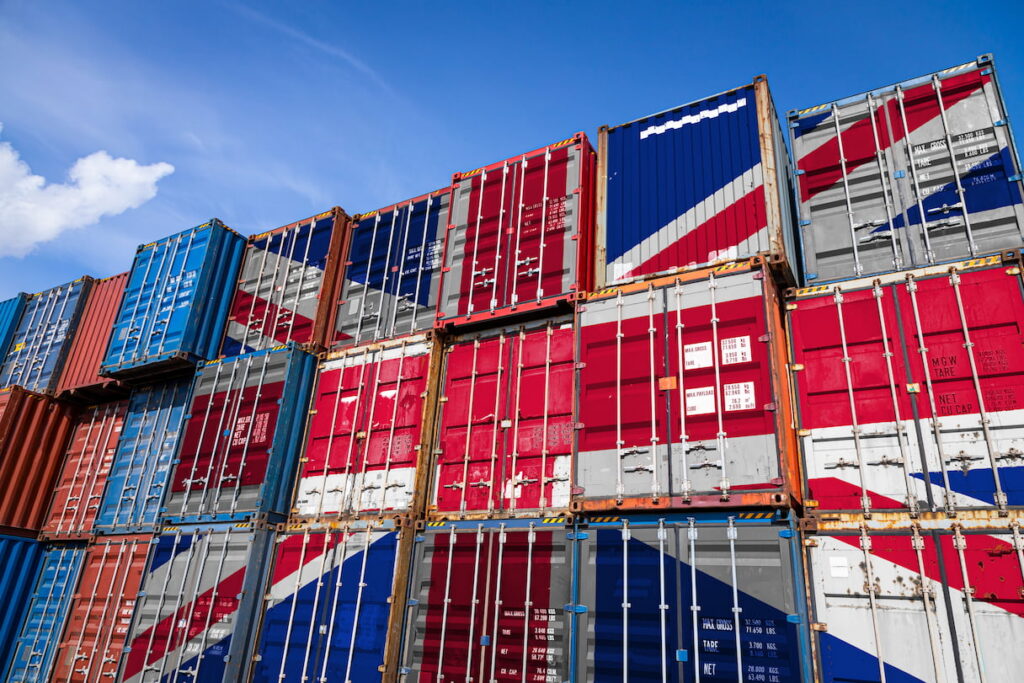
1. Reshoring to domestic manufacturers
Over the past few years, many businesses have felt friction in global trade.
Geopolitical tensions, shipping delays, rising freight costs, material shortages and other external events have all impacted the ability to meet deadlines and maintain consistent supply from overseas manufacturers.
As a result, an increasing number of European businesses are addressing these challenges by ‘reshoring’ their production back to domestic manufacturers –which has particularly benefitted the UK.
According to Make UK, the UK manufacturing sector achieved strong results both domestically and internationally in 2025, reaching an output value of approximately £205 billion and climbing to 11th place in the global manufacturing rankings.
At Cox Wokingham Plastics, we take pride in being a UK manufacturer, providing a dependable alternative to volatile overseas supply chains. We’ve seen first-hand how our customers value the responsiveness, transparency and flexibility that comes with choosing a partner closer to home.
Looking ahead, we expect reshoring to be an ongoing trend in 2026 as more businesses appreciate the quality, speed and supply certainty that comes with British-made parts and products.
2. Better supply chain resilience
For the same reasons driving the trend in reshoring, there is growing emphasis on ensuring supply chain resilience.
Businesses are no longer favouring manufacturers that can deliver products quickly and cheaply; they are instead prioritising a more trusted partner that can create a securer supply chain.
This means that manufacturers who can offer greater stock control, improved communication, shorter lead times and reduced risk from overseas disruption are often preferred.
By investing in creating more resilient supply chains, businesses can better position themselves to absorb unexpected challenges without passing delays or cost increases onto customers.
As a manufacturer ourselves, we have found that in today’s landscape we don’t just get asked about how much it would cost and or how long it would take to manufacture plastic parts and components.
Instead, our customers are looking for dependability, flexibility and long-term value – all aspects of manufacturing that give their businesses a critical advantage for 2026.
3. Increasing demand for sustainability
Sustainability isn’t just a passing trend – it’s a long-term priority that’s critical to manufacturing!
The demand for sustainability doesn’t just come from end consumers, but also from business buyers who are increasingly looking to reduce and offset carbon emissions across their supply chains.
In 2026, businesses will be looking towards manufacturers that have adopted more sustainability-led practises, including reducing waste, increasing material efficiency, improving recyclability and investing in more energy-efficient processes.
As an ISO 14001 accredited company, we are committed to the highest environmental standards, embedding sustainability into every aspect of our operations.
Recognising that plastic is a non-renewable material, we take pride in the fact we don’t produce any single use plastic components. Instead, we focus on designing and producing parts that are built to last, limiting the need for frequent repair or replacement.
Additionally, our strict minimal waste policy ensures excess materials are collected and 100% recycled.
As our parts are made in Britain, we also help our customers lower their environmental impact by avoiding carbon costs associated with imports.
4. Improving productivity through artificial intelligence
Artificial Intelligence (AI) is the current hot topic, with industries across the world both identifying opportunities and expressing concerns.
Despite manufacturing being primarily driven by craftmanship and physical machinery, AI is a still a valuable tool that will shape our sector’s future.
Instead of shying away from AI, many manufacturers are strategically adopting it to improve their productivity – streamlining tasks such as risk assessments, maintenance cycles, day-to-day administration and more.
According to Make UK, 52% of manufacturers say they are in the evolution stage of using AI, finding ways to use it to develop and improve their processes.
Cox Wokingham Plastics – keeping up to date with manufacturing trends
At Cox Wokingham Plastics, we are dedicated to designing, manufacturing and assembling high-quality plastic products to companies across the UK and further afield.
Offering an end-to-end service – from concept to full-scale production – we have supported a wide range of specialist industries, including transportation, aviation, medical, logistics and more.
We are proud of our heritage and the experience, innovation, craftsmanship and trust we have built since our inception.
And, to this day, we continue to evolve alongside the manufacturing sector, investing in new technologies, processes and ways of working to meet the changing needs of our customers.
This includes our ongoing improvement program into infrastructure and machinery (so far investing over £2.0 million), backing our transition from supplier to full supply chain partner and high-tech UK manufacturing leader in 2026.
More information about Cox Wokingham Plastics can be found at: https://www.coxwokingham.com/